
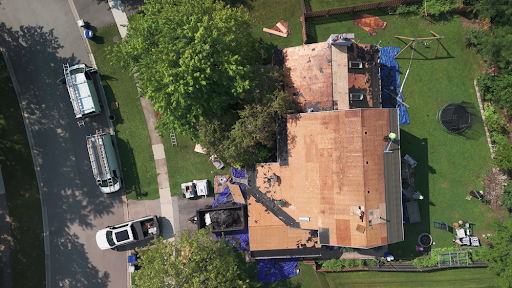
Roofing is one of the most essential trades in home improvement. Every home needs a sound roof, and when one fails, homeowners need help fast. That steady demand makes roofing a promising field for business owners, but success takes more than skilled installers and a few ladders. Running a profitable roofing company means managing your crew responsibly, standing out from the competition, and being ready when customers need you most.
Here’s how to build a roofing business that’s set up for long-term growth.
Manage Your Crew Responsibly
Your team is the backbone of your business. Experienced, reliable roofers keep projects on schedule, maintain quality, and protect your reputation. Treating them fairly, including paying them correctly, is essential to keeping good workers and avoiding costly legal trouble.
Overtime is one area where many small businesses slip up, especially during busy seasons or after major storms when crews put in long hours. Under the Fair Labor Standards Act (FLSA), employers cannot bank hours that non-exempt employees work beyond 40 in a week as flex time, and they cannot pay those hours at the regular rate on future paychecks. Overtime must be handled according to federal rules.
To stay compliant, use reliable time-tracking software, review payroll regularly, and make sure supervisors understand overtime requirements. State laws may add their own rules, so it’s wise to consult an employment attorney or payroll professional. Getting this right protects your workers and your business. Clear, consistent pay practices also build trust and help you hold on to skilled roofers when competitors come calling.
Stand Out in a Crowded Market
Roofing is a competitive industry. According to IBISWorld, there are over 109,000 businesses in the roofing contractors industry in the United States. With so many companies competing for the same customers, a strong brand and smart marketing strategy are essential.
Start with a professional website that clearly lists your services, service area, licensing, and insurance. Include high-quality photos of completed projects and customer testimonials that showcase your workmanship. Claim and optimize your local search profiles so homeowners can easily find you when they need a roofer nearby.
Online reviews carry a lot of weight in home services, so make it easy for satisfied customers to leave feedback. Respond professionally to every review, including negative ones. Partnering with real estate agents, home inspectors, and insurance adjusters can also bring in a steady stream of referrals.
Be Ready for Emergency Calls
Not every roofing job is a planned replacement. Storms, falling branches, and aging materials can cause sudden leaks and damage that demand immediate attention. HomeAdvisor reports that 40% of homeowners hire roofing companies for emergency roof repairs each year.
Offering reliable emergency service can set your company apart and build lasting customer loyalty. Consider providing after-hours availability, rapid tarping, and temporary leak fixes to protect homes until permanent repairs can be made. Clearly communicate response times and pricing so customers know what to expect.
Emergency jobs often turn into larger projects, such as full roof replacements or insurance claims. Train your team to document damage thoroughly with photos and notes, and be prepared to guide homeowners through the insurance process. Following up after an emergency repair keeps your company top of mind for future work. A simple thank-you message and a reminder to schedule regular inspections can turn a one-time emergency into a long-term relationship.
Building a Roofing Company That Lasts
A successful roofing business balances quality work with smart management. By paying your crew correctly, standing out in a competitive market, and being ready to respond when emergencies strike, you can build a company that earns customer trust and continues to grow year after year.